Public Safety
BHE GT&S operates about 5,400 miles of natural gas transmission pipeline. While natural gas pipelines are one of the safest forms of energy transport, it is important for the public, and especially first responders, to be familiar with safety basics related to natural gas.
Gas Emergency Numbers
If you smell gas, suspect a leak or have other safety concerns, call BHE GT&S right away. Use these numbers 24 hours a day. In the event of a pipeline emergency, call 911 and the BHE GT&S emergency number from a safe location.
Carolina Gas Transmission (CGT) Customers (Georgia, South Carolina):
CGT Emergencies: 800-789-7272
Eastern Gas Transmission & Storage (EGTS) and Cove Point LNG Customers (Maryland, New York, Ohio, Pennsylvania, Virginia, West Virginia):
EGTS Emergencies: 888-264-8240
Emergency Responder Training Portal
Learn how to respond to pipeline incidents, properties of materials transported, and your responsibilities as an emergency responder in this free multi-module training course.
Signs Of A Gas Leak
Natural gas is non-toxic, colorless, odorless and lighter than air. An odor is added to help you detect a potential gas leak. Signs of a leak may include:
- A "rotten egg" odor
- Discolored or dead vegetation over or near the pipeline.
- A hissing, whistling or roaring sound near a gas appliance or pipeline.
- Dirt/debris blowing into air; persistent bubbles in water-covered areas.
- Flames (if a leak has ignited).
- Frozen ground when the weather is warm
If a leak occurs:
- Leave the area immediately.
- Warn others to stay away.
- From a safe place, call 911 immediately and Contact Us at CGT: 800-789-7272 or EGTS: 888-264-8240
What NOT to do If you suspect a gas leak:
- Do not try to turn natural gas valves on or off.
- Do not smoke, use a lighter, strike a match or do anything that could ignite a spark.
- Do not start or stop nearby vehicles, machinery, or things that may spark.
Pipeline Safety
If you are planning to dig on your property, follow these important steps:
- Call before you dig. State laws may vary, but many require that before digging, you call 811 to have your lines located at least 3 full working days before you begin any excavation work
- Wait. At no cost to you, technicians will mark the location of the utility lines on your property. Once all lines are marked, you can then safely begin your digging project
- Respect the markings for your safety
- Dig with care. If you accidentally hit the pipeline, no matter how minor it may seem, leave the area immediately and call 911 immediately and Contact Us at
CGT: 800-789-7272 or EGTS: 888-264-8240
Right of Way and Easements
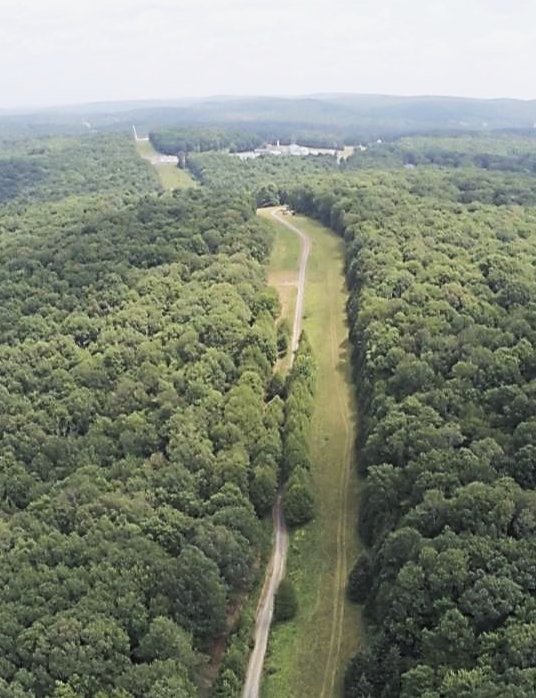
BHE GT&S’ natural gas lines run through both urban and rural areas, as well as on both public and private lands. In order to provide natural gas service to our customers, BHE GT&S acquires "rights of way" or "easements" which allow pipelines and related facilities to be located on these properties, and for us to access to the land for operations and maintenance purposes.
These rights of way are usually documented by a written agreement and recorded in the county in which the land is located. Rights of way are to be kept clear of obstructions to enable BHE GT&S to safely operate, patrol, inspect, maintain or repair its pipelines and related facilities. A change in property ownership does not alter or extinguish BHE GT&S’ rights.
If you are a landowner, contractor, or other third party operating near natural gas pipelines, please make yourself aware of relevant guidelines and safety measures.
Not sure whether your property is subject to an easement or right of way agreement? Searching for this information, particularly regarding agreements that date back more than 70 years, may require extensive research. Consider hiring a title attorney or title company to locate existing encumbrances on your land.
Pipelines on My Property
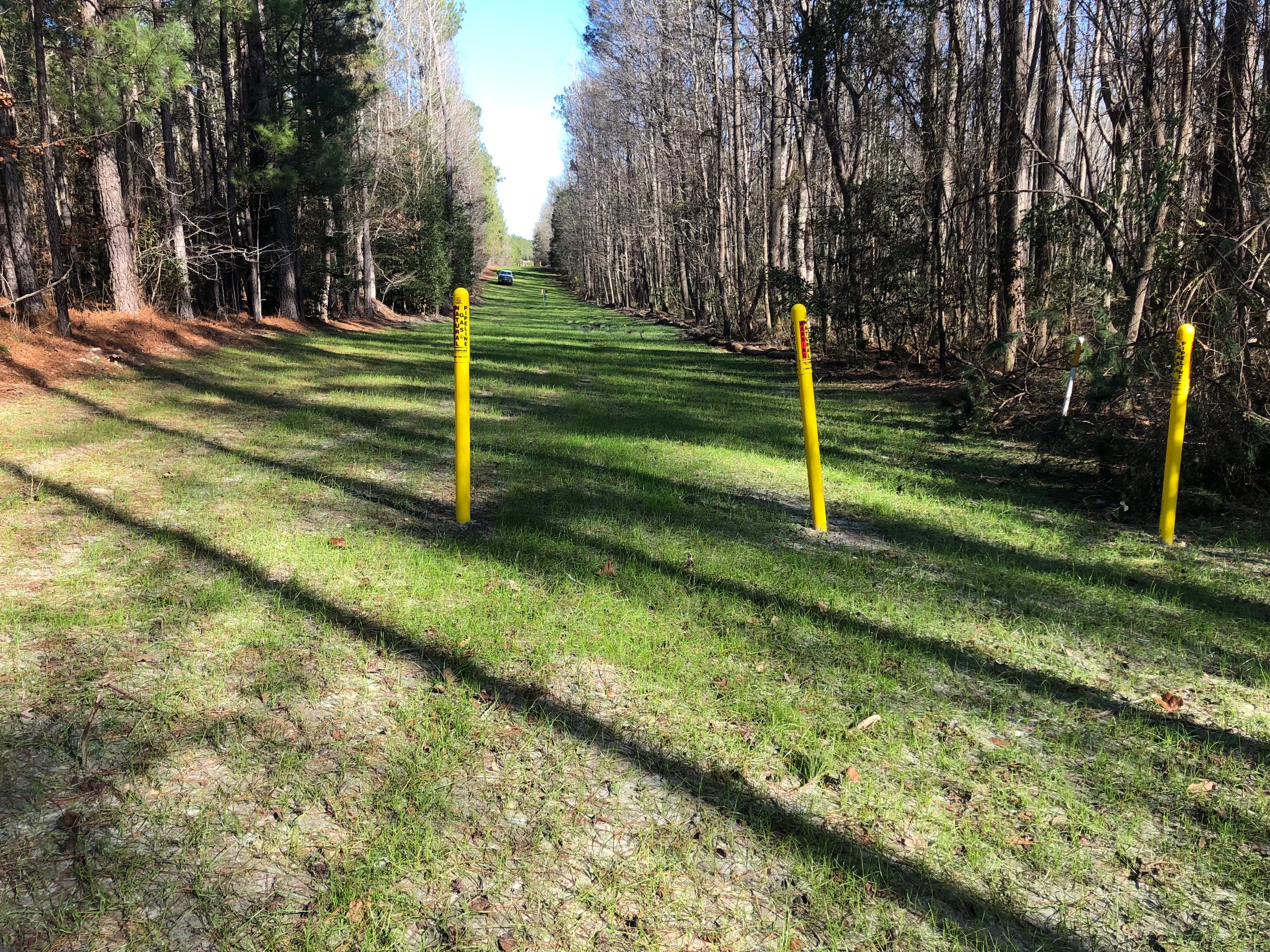
You’ll know there is a natural gas pipeline on a property by the presence of line markers, which indicate the approximate location of underground natural gas pipelines.
- Markers are general, not exact, locators, and may not be present on every parcel of land.
- Markers do not tell how deep a pipeline is buried. Nor do they necessarily indicate the number of underground lines.
- Pipelines do not always follow a straight course between two markers, so never rely solely on the presence or absence of pipeline markers.
- It is a federal crime to willfully deface, damage, remove or destroy a pipeline marker.
- Whether a line marker is present or not, please call the 811 "Call Before You Dig" hotline at least 3 working days before you plan to dig.
If a pipeline is located on or near your property:
- Permanent structures such as storage buildings, sheds, swimming pools, or bodies of water may not be built within the right-of-way.
- Trees may not be planted within the right-of-way.
- Changing the ground elevation by either adding or removing soil from the right-of-way is not permitted.